Advanced Spectrum
UV and IR in LED Grow Lights: When Do Plants Need Them?
UV and IR are often discussed in horticulture lighting, but they should be used with clear purpose. Agrilumia explains how these wavelengths fit into professional spectrum design.
Quick Answer
UV and IR can be useful, but they are not a shortcut.
Most crops need a strong foundation of efficient full spectrum light first. UV, far-red and infrared can then be added for specific goals such as morphology control, flowering response, quality traits or research programs.
Incorrect use may waste energy or create stress. For commercial farms, spectrum should be matched to crop, stage and cultivation objective.
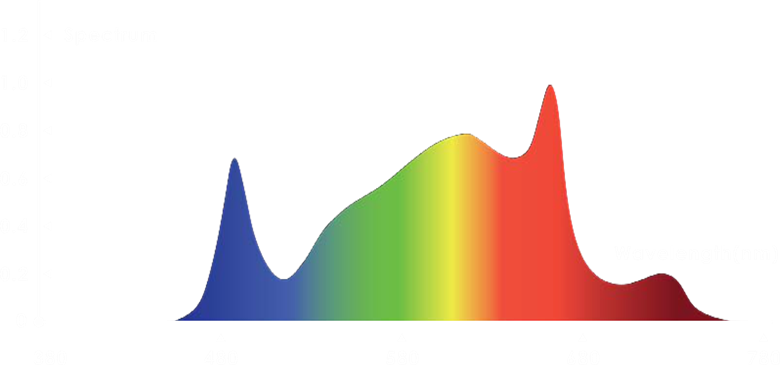
Wavelength Roles
How UV, far-red and IR differ
These wavelength ranges are often grouped together in marketing, but plants respond to them differently.
| Range | Typical Role | Commercial Note |
|---|---|---|
| UV-A | Can influence color, secondary metabolites and plant response | Use carefully with worker safety and crop trials. |
| Far-red | Can affect shade response, flowering and canopy architecture | Best used with red light ratio planning. |
| Infrared heat | Mostly thermal effect rather than photosynthesis | Manage temperature before adding more heat load. |
Should every grow light include UV?
Not always. UV can be valuable in some crop programs, but many commercial farms achieve excellent results with high-quality full spectrum fixtures. UV also requires careful exposure control, material selection and worker protection.
How Agrilumia supports custom spectrum projects
Agrilumia offers standard full spectrum grow lights and custom spectrum development for OEM/ODM customers. When a customer needs UV or far-red, we evaluate crop target, fixture structure, driver design, control requirements and safety considerations together.
Recommended Products
Explore Agrilumia LED grow light solutions.
Four product links are randomly selected for each article visit, helping readers discover related grow light series and OEM support options.