HPS Advantages
HPS lights are known for strong light intensity, relatively low upfront cost and a spectrum that can support flowering and fruiting. Some growers also like the simple installation model.
 Get Quote
Grow Light Comparison
HPS lights have a long history in horticulture, but modern LED grow lights now offer stronger control over spectrum, heat, efficiency and long-term operating cost. This Agrilumia guide explains how to compare them for real cultivation projects.
Quick Answer
HPS grow lights can still work for flowering and fruiting because they provide strong high-intensity light with a red-heavy spectrum. However, they also create more heat, use more electricity and need more maintenance.
LED grow lights usually cost more at the beginning, but they give growers better spectrum control, lower heat output, longer service life and higher energy efficiency. For B2B growers, distributors and project buyers, the total cost of ownership often favors LED.
HPS Basics
HPS means high-pressure sodium. It is a HID lighting technology that has been widely used in indoor cultivation and greenhouse supplemental lighting for many years.
HPS lights are known for strong light intensity, relatively low upfront cost and a spectrum that can support flowering and fruiting. Some growers also like the simple installation model.
HPS fixtures produce significant heat, which can increase cooling and ventilation requirements. Their spectrum is less flexible, and growers may need additional light sources for a full crop cycle.
HPS bulbs lose intensity over time and are usually replaced more often than LED fixtures. This adds labor, replacement parts and downtime to the long-term cost.
LED Basics
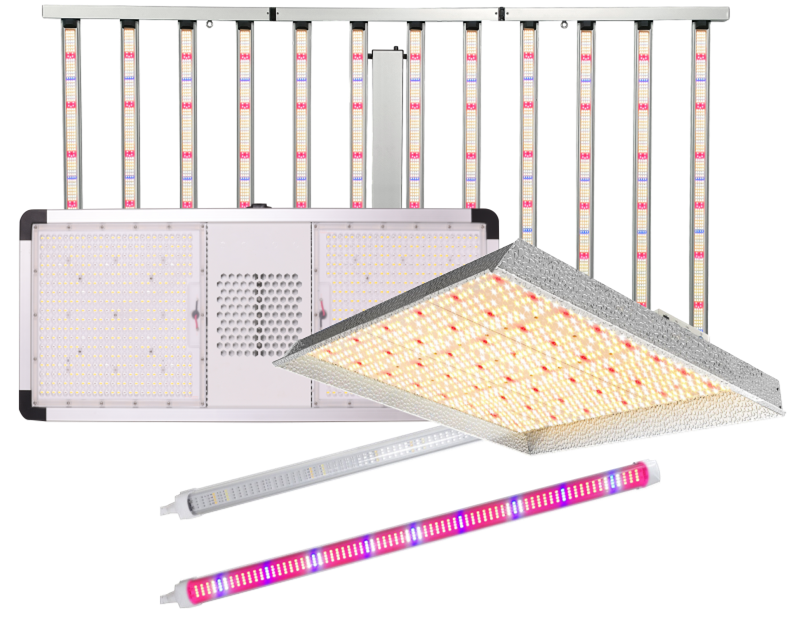
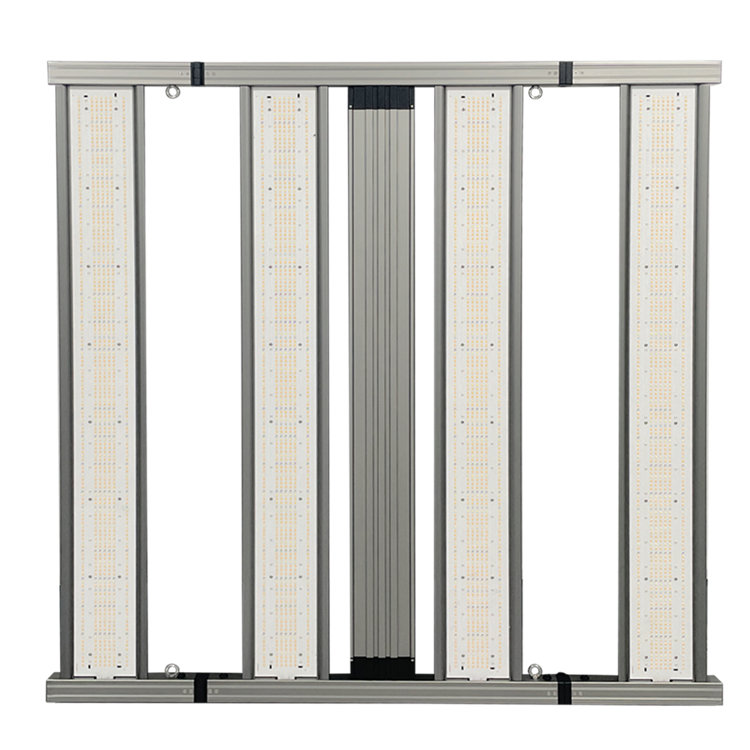
LED grow lights use semiconductor diodes to produce light. Modern horticulture LEDs can be designed for full spectrum output, crop-specific light recipes and efficient canopy coverage.
LED fixtures usually produce more usable light per watt than HPS. This reduces electricity use and can lower HVAC load because less waste heat is released into the grow space.
LED technology allows white full spectrum, red enhancement, blue tuning, far-red options and crop-specific configurations. This helps growers match lighting to seedlings, vegetative growth, flowering and fruiting.
Well-built LED grow lights can operate for tens of thousands of hours when thermal design, drivers and components are properly matched.
Comparison Table
Use this table as a practical starting point when planning a grow room, greenhouse retrofit or OEM product line.
| Factor | LED Grow Lights | HPS Grow Lights | B2B Buying Note |
|---|---|---|---|
| Light Spectrum | Full spectrum and customizable spectrum options. | Mainly red/yellow output, strong for flowering but less flexible. | LED is better when one fixture needs to support multiple growth stages. |
| Energy Use | Higher efficiency and lower operating power for similar usable output. | Higher power draw and more waste heat. | LED can reduce long-term electricity and HVAC cost. |
| Heat Output | Lower radiant heat, easier climate control. | High heat output, often requiring stronger ventilation. | Important for sealed rooms, vertical farms and summer greenhouse operation. |
| Initial Cost | Higher upfront cost. | Lower upfront cost. | Evaluate total cost over several crop cycles, not purchase price alone. |
| Lifespan | Long service life with proper thermal design. | Shorter bulb life and more frequent replacement. | Maintenance labor matters in commercial facilities. |
| Control | Dimming, daisy chain and smart control options are common. | Less flexible dimming and spectrum control. | LED is stronger for staged production and precision cultivation. |
Agrilumia Factory View
For a B2B grow light factory, the key question is not whether LED is trendy. The key question is whether the fixture can deliver stable PPFD, efficient spectrum, reliable heat control and repeatable manufacturing quality. Agrilumia designs LED grow light systems around those requirements.
Efficient LED systems reduce electricity use and can lower cooling demand.
Dimming and daisy chain functions help growers adjust light intensity by crop stage and room layout.
OEM/ODM support helps distributors and project buyers build repeatable product programs.
FAQ
Short answers for SEO, GEO and buyer education.
LEDs can produce strong yields when PPFD, DLI, spectrum and climate are properly managed. The result depends on the whole grow system, not only the fixture type.
Yes, HPS lights can still be useful where upfront cost is the main concern or where growers already have existing infrastructure. However, LEDs are usually better for efficiency and control.
Check target PPFD, mounting height, crop type, voltage, dimming needs, heat load, fixture layout and total cost over multiple crop cycles.
Plan Your Lighting Upgrade
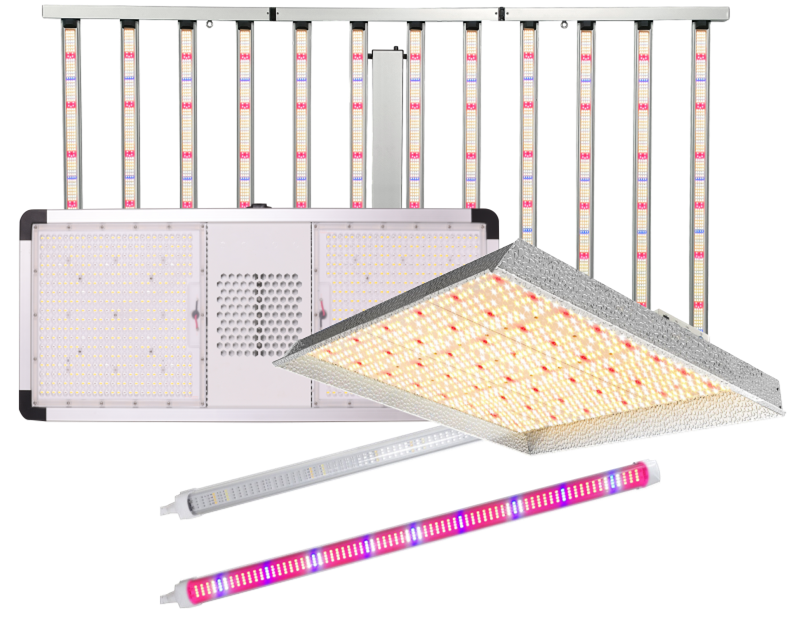
Send Agrilumia your crop type, grow area, mounting height and target PPFD. We can help evaluate whether XWAVE, XTRAY, XLITE Quantum or module grow lights fit your project.
Recommended Products
Four product links are randomly selected for each article visit, helping readers discover related grow light series and OEM support options.