
Hydroponics
Hydroponic Indoor Growing: What B2B Growers Should Know
Hydroponic production grows crops without soil by controlling water, nutrients, oxygen, light and climate. It can be highly productive when the system is planned as a complete environment.
Quick Answer
Hydroponics works best when lighting and environment are designed together.
Water system type, crop density, airflow, temperature, humidity, CO2 and LED layout all influence results. A high-output grow light should be matched with enough root-zone oxygen and nutrient control.
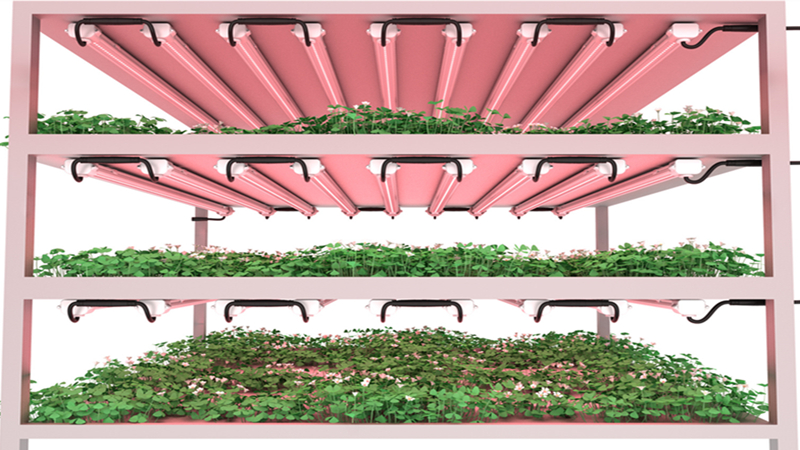
Core parts of a hydroponic system
| System Part | Function |
|---|---|
| Water and nutrient solution | Delivers mineral nutrition directly to roots. |
| Root-zone oxygen | Supports healthy uptake and reduces root stress. |
| LED grow lights | Provide PPFD, spectrum and photoperiod for crop growth. |
| Climate control | Balances temperature, humidity, airflow and CO2. |
Lighting for hydroponic crops
Because hydroponic systems can support fast growth, lighting often becomes a major production driver. Agrilumia recommends planning target PPFD and DLI by crop type, then selecting fixture series, wattage, mounting height and dimming method.
B2B project planning
For vertical farms and greenhouse hydroponics, fixture reliability and delivery consistency are critical. Agrilumia supports OEM/ODM and project buyers with product series selection, spectrum options and manufacturing capacity.
Recommended Products
Explore Agrilumia LED grow light solutions.
Four product links are randomly selected for each article visit, helping readers discover related grow light series and OEM support options.