
Buyer Guide
Grow Light vs Regular Light: What Is the Difference?
A regular lamp can make a room bright, but a professional grow light is engineered to deliver usable plant light, controlled spectrum and reliable output over a crop cycle.
Short Answer
Grow lights are designed for plants; regular lights are designed for people.
Human lighting focuses on visual comfort and brightness as seen by the eye. Horticulture lighting focuses on PAR, PPFD, DLI, spectrum, heat dissipation and canopy coverage. These are the metrics that decide whether plants receive enough usable light.
For a few decorative houseplants, a regular LED bulb may help. For seedlings, herbs, leafy greens, flowering crops or commercial production, a real grow light is the better tool.
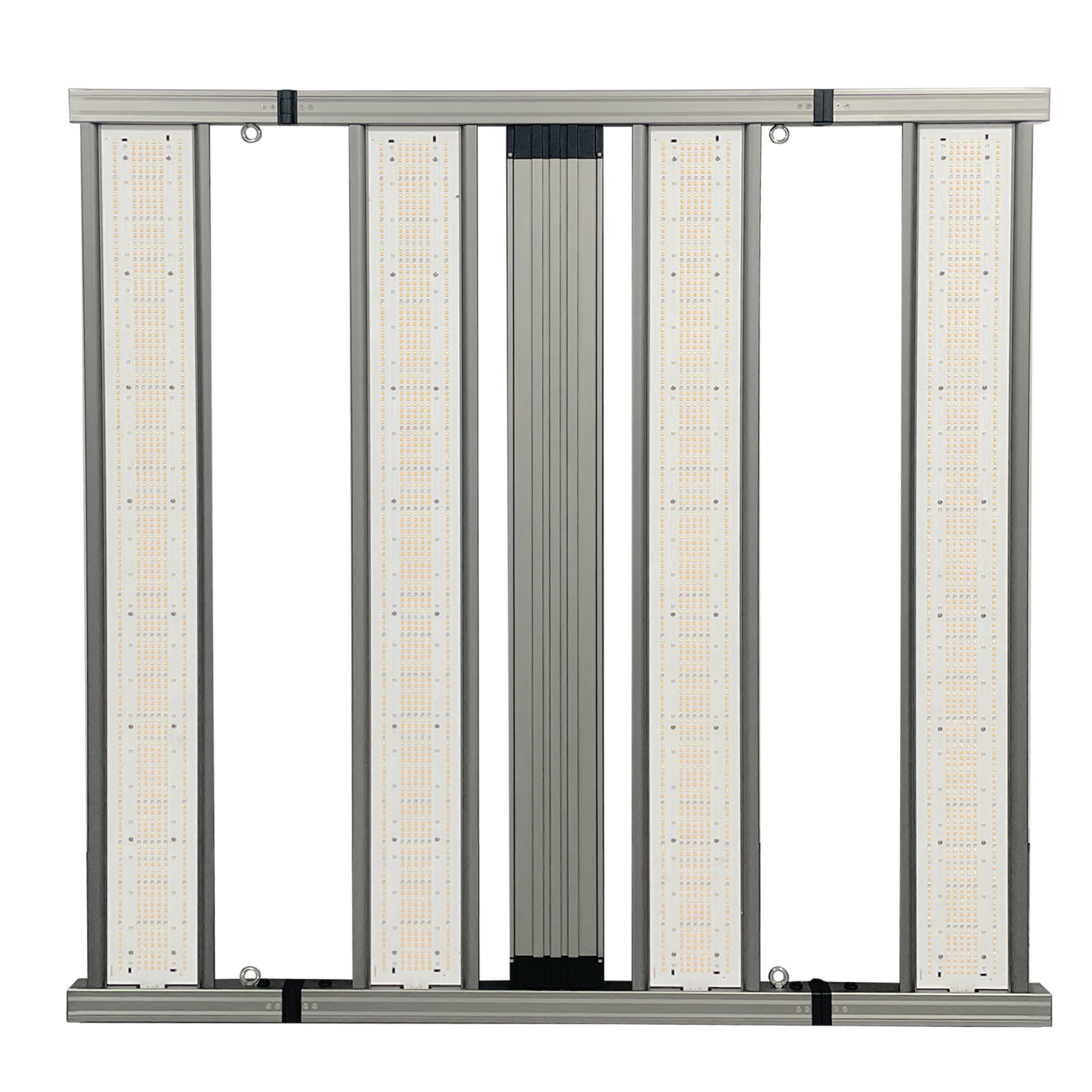
Comparison
Regular light and grow light differences
The two light types may look similar, but they are built around different performance standards.
| Factor | Regular Light | LED Grow Light |
|---|---|---|
| Design goal | Human visibility and room comfort | Plant photosynthesis and crop uniformity |
| Key metric | Lumens | PPF, PPFD, DLI and spectrum |
| Spectrum | Comfort white, not crop optimized | Full spectrum with plant-useful wavelengths |
| Coverage | General room spread | Canopy-level distribution |
| Durability | Light-duty indoor use | Designed for long operating hours and heat control |
Why lumens can be misleading
Lumens measure how bright light appears to the human eye. Plants do not respond to light exactly like people do. A grow light should be evaluated by photosynthetic photon output and canopy PPFD maps instead of only lumen ratings.
What B2B buyers should request
Before choosing a fixture, ask for spectrum data, power consumption, PPF, efficacy, dimming options, mounting height suggestions and warranty terms. Agrilumia supplies full spectrum LED grow lights for greenhouses, vertical farms and OEM/ODM customers who need repeatable manufacturing quality.
Recommended Products
Explore Agrilumia LED grow light solutions.
Four product links are randomly selected for each article visit, helping readers discover related grow light series and OEM support options.